
Quick answer
Reduced appetite is an expected effect of many GLP-1–based medications, but consistently being unable to meet basic nutrition needs is not a success marker. Instead of chasing one universal calorie or protein number, compare what you are actually eating with an individualized estimate and pay attention to symptoms, strength, hydration, and meal tolerance.
Start with an individualized estimate
The USDA DRI Calculator uses age, sex, height, weight, pregnancy or breastfeeding status, and activity level to estimate daily calories and recommended nutrients. It is a useful starting point, not a diagnosis or a prescription. Medical conditions, weight-loss goals, kidney function, diabetes treatment, and recent weight change can alter what is appropriate.
A large gap between estimated needs and actual intake deserves attention, especially when it lasts more than a brief nausea day or is accompanied by weakness, dizziness, repeated vomiting, constipation, dark urine, or worsening exercise tolerance.
What “enough” has to include
Overall energy
Your body uses energy for breathing, circulation, temperature control, movement, tissue repair, and daily life. Protein alone cannot cover all of those needs. A shake may contain substantial protein while the whole day remains very low in energy and food variety.
Protein
Protein supports muscle and other tissues, but more is not automatically better. Needs vary by body size, age, activity, kidney health, and overall intake. Spreading tolerable protein foods through the day is often easier than relying on one very large shake.
Carbohydrate
Carbohydrate foods, including grains, beans, fruit, milk, and starchy vegetables, provide energy, fiber, and different vitamins and minerals. Removing them without a medical reason can make an already small diet harder to complete.
Dietary fat
Fat supplies concentrated energy, essential fatty acids, and helps with absorption of fat-soluble vitamins. Very rich or greasy meals may worsen nausea for some people, but that does not mean all fat should disappear. Small portions of foods such as nut butter, avocado, olive oil, seeds, eggs, or dairy may be easier to use.
Micronutrients and fiber
Eating less food means fewer chances to obtain iron, calcium, potassium, magnesium, folate, vitamin B12, vitamin D, and other nutrients. Variety matters. Increasing fiber too quickly while fluids are low can also worsen bloating or constipation.
A simple small-meal framework
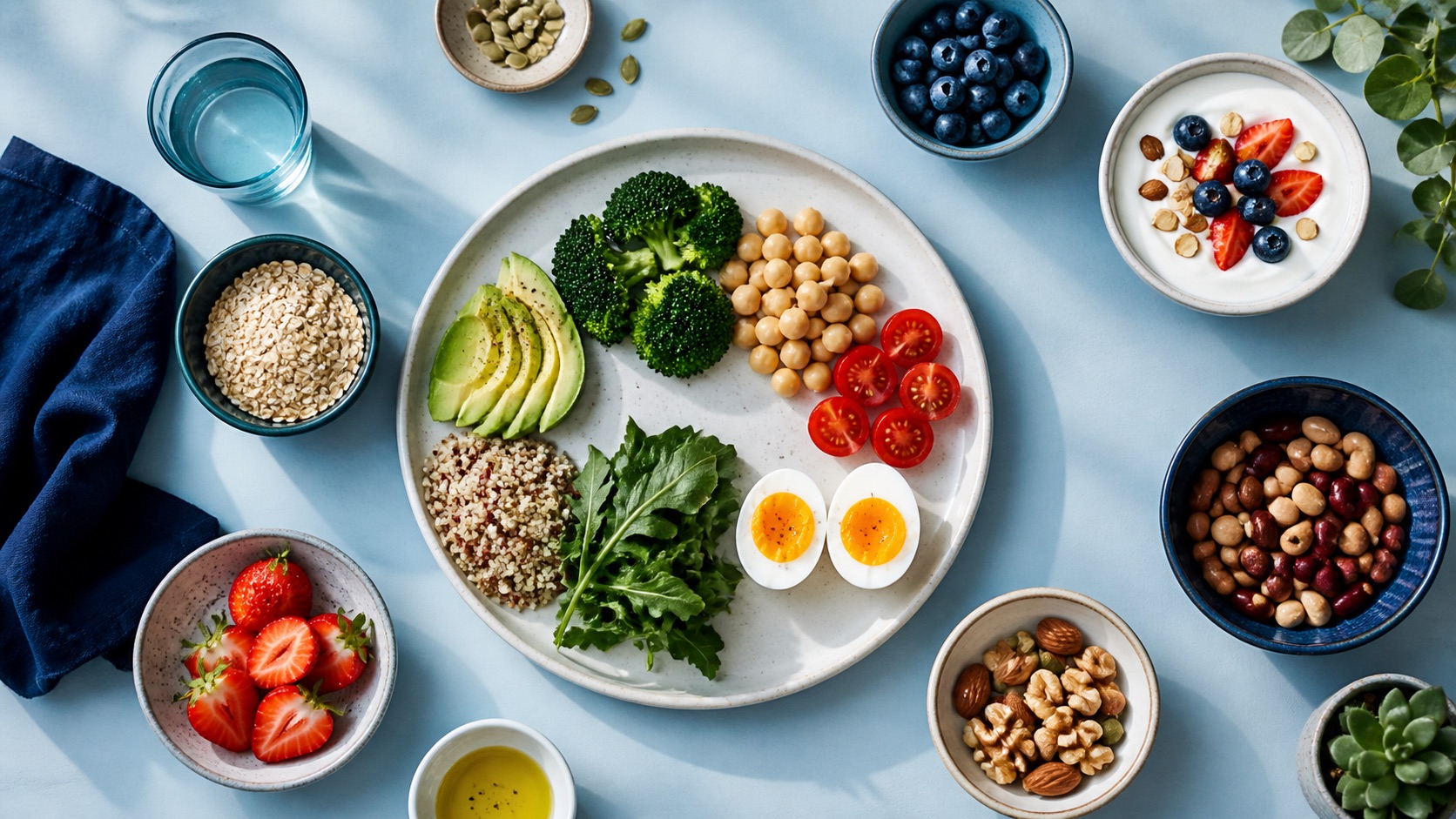
At most eating times, try to include three elements:
- A protein food: eggs, yogurt, cottage cheese, fish, poultry, tofu, beans, or a modest shake.
- An energy food: oats, rice, potato, bread, pasta, fruit, or another carbohydrate you tolerate.
- A produce or healthy-fat addition: vegetables, fruit, olive oil, avocado, nuts, or seeds.
Examples include oatmeal made with milk plus fruit and nut butter; half a turkey sandwich with soup; yogurt with oats and berries; rice with egg or tofu and cooked vegetables; or a baked potato with cottage cheese.
When reduced intake needs professional help
Contact the prescribing clinician or a registered dietitian if you repeatedly cannot eat balanced meals, your intake keeps falling after a dose change, you are losing strength, or food aversion is becoming persistent. Do not increase a medication dose to suppress appetite further when you are already struggling to eat.
Seek prompt medical evaluation for repeated vomiting, severe or persistent abdominal pain, fainting, confusion, trouble breathing, minimal urination, or inability to keep fluids down. Read Appetite Suppression vs. Inability to Eat and Hydration While Taking a GLP-1 next.