
Quick answer
If you feel full after only a few bites, do not try to solve the problem by forcing one large meal. Build the day from several small eating occasions. Each one can include a modest source of protein, an energy-providing carbohydrate, and a little dietary fat if tolerated. Choose softer, lower-odor foods when nausea is present, take fluids in small amounts, and keep track of what stays down.
Early fullness can occur with GLP-1 medicines because these medicines affect appetite and stomach emptying. It can also have other causes. Contact the prescribing clinician if fullness repeatedly prevents adequate food or fluid, worsens after a medication change, or comes with vomiting, pain, weakness, dizziness, or reduced urination.
Think in eating occasions, not full plates
A standard plate can feel overwhelming when appetite is low. Instead, plan a small meal or snack every few hours while awake. The exact schedule is personal. The goal is not constant grazing or eating past comfort. The goal is to create enough comfortable opportunities to meet nutrition needs across the day.
Start with an amount you can usually tolerate. Pause, eat slowly, and stop before discomfort becomes intense. If that portion stays down, another small eating occasion later is more useful than pushing until you feel sick. A simple written log can show whether intake is improving or steadily shrinking.
Make each small amount count
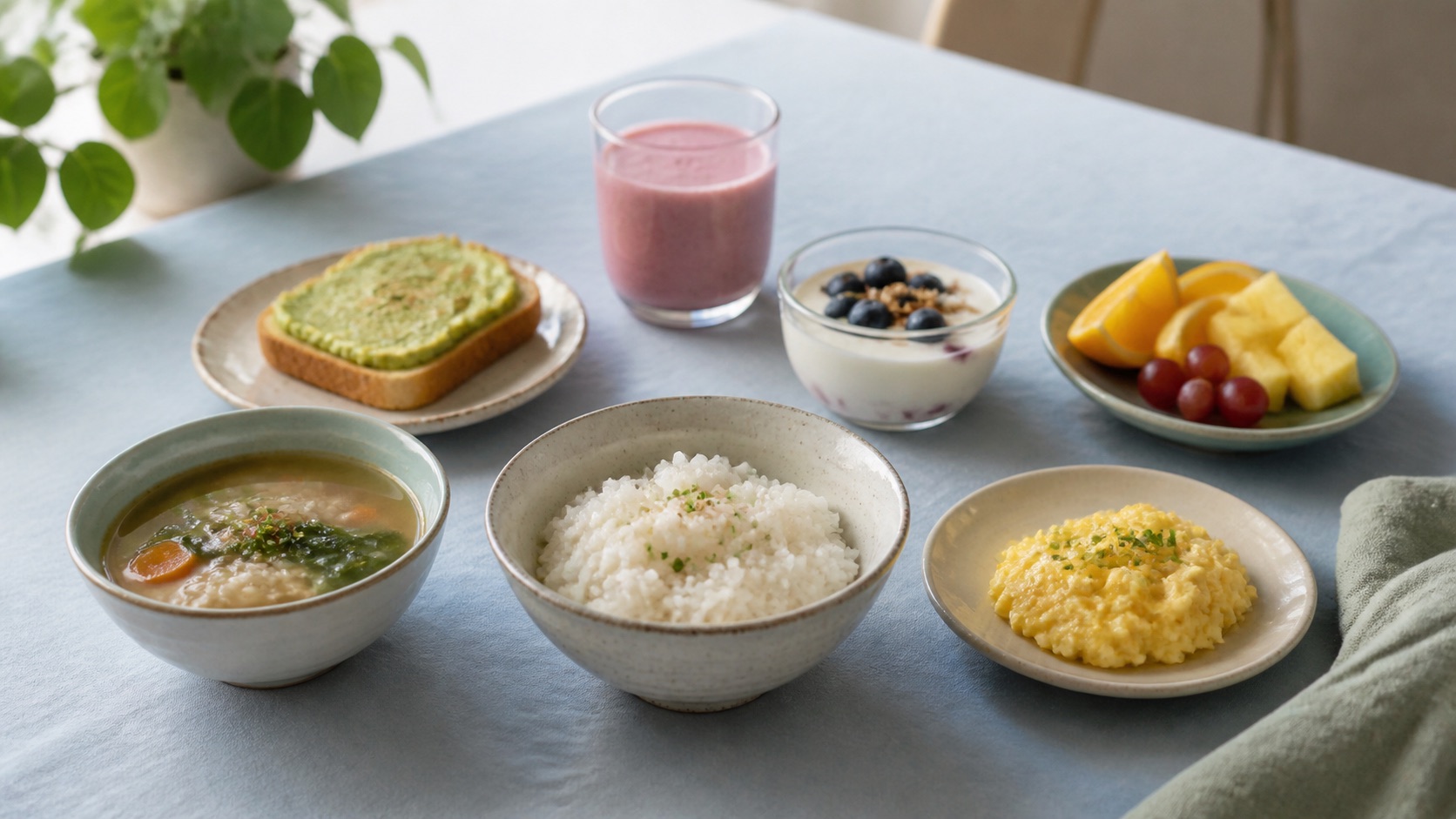
When volume is limited, choose foods that contribute more than one thing. Yogurt with fruit, eggs with toast, soup with soft beans or chicken, oatmeal made with milk, or a small smoothie with yogurt and fruit can provide a mix of energy and nutrients. These are examples, not a required menu.
Protein matters, but it should not crowd out everything else. Carbohydrate provides energy, dietary fat helps with essential functions and calorie intake, and fruits, vegetables, grains, dairy foods, or suitable alternatives contribute vitamins and minerals. A day made almost entirely of a protein drink may leave major gaps even if the protein number looks impressive.
Adjust texture and temperature
Soft, moist foods may be easier to manage than dry, chewy, or bulky foods. Try tender eggs, yogurt, cottage cheese, oatmeal, mashed vegetables, soft rice, soup, or well-cooked foods cut into small pieces. Cold or room-temperature foods may have less odor than hot foods and may be easier on a nauseated stomach.
High-fat and high-fiber foods can worsen fullness for some people, especially when symptoms are significant, but long-term restriction can reduce nutrition quality. Use short-term tolerance changes as a bridge and ask a clinician or registered dietitian for an individualized plan if symptoms persist.
Handle fluids thoughtfully
Hydration remains important. Some people tolerate drinks better between meals than during them because a large beverage can add to stomach volume. Others do well with small sips alongside food. Use the pattern that keeps fluids and food comfortable without forcing either one.
If you have vomiting or diarrhea, water alone may not replace all losses. Ask a healthcare professional whether an oral rehydration product is appropriate, especially if you have kidney disease, heart disease, blood pressure concerns, diabetes, or a prescribed fluid limit.
A practical difficult-day pattern
- Begin with a small, mild food and a few sips of fluid.
- Set a reminder for the next eating opportunity rather than waiting for hunger.
- Pair a small protein food with an easy energy source.
- Keep smells low and preparation simple when nausea is present.
- Record vomiting, pain, dizziness, urination, and foods that stay down.
- Contact the prescriber before making medication changes.
Common mistakes
- Skipping the entire day because a normal meal feels impossible.
- Forcing a large shake that causes prolonged fullness.
- Choosing only low-calorie foods when total intake is already very low.
- Removing whole food groups for weeks without professional guidance.
- Assuming severe fullness is simply proof that treatment is working.
When to contact a clinician
Contact the prescriber when early fullness repeatedly blocks adequate intake, food variety keeps narrowing, symptoms worsen after a dose change, or you are losing the ability to complete normal activities. Report what you can eat and drink, how often symptoms occur, and whether you have vomiting, constipation, diarrhea, pain, dizziness, or changes in urination.
Urgent warning signs
Seek prompt medical care for severe or persistent abdominal pain, repeated vomiting, inability to keep fluids down, very little or no urine, fainting, confusion, trouble breathing, chest pain, blood or coffee-ground material in vomit, black stool, or signs of a serious allergic reaction. Do not drive if you feel faint or confused.
Related reading
Continue with Appetite Suppression vs. Inability to Eat, When Reduced Appetite Has Gone Too Far, and A Simple Daily Hydration Routine.