
Quick answer
Fruit, yogurt, toast, cereal, and protein shakes can all fit into a healthy eating pattern. The concern is not that these foods are “bad.” The concern is whether the total day provides enough energy and a broad enough mix of protein, carbohydrate, dietary fat, fiber, vitamins, minerals, and fluid for the individual.
Healthy is not the same as complete
Nutrition happens across the whole day and over time. Berries provide fiber and vitamin-rich plant foods. Yogurt may provide protein and calcium. Toast and cereal can provide carbohydrate and fortified nutrients. A shake can make protein easier to tolerate. But repeating only a few foods can leave important gaps, especially when portions are very small.
For example, adding more protein powder does not automatically correct low total calorie intake, minimal dietary fat, limited food variety, or insufficient carbohydrate for daily activity. A food list can sound healthy while the person eating it is still weak, dizzy, constipated, dehydrated, or unable to function normally.
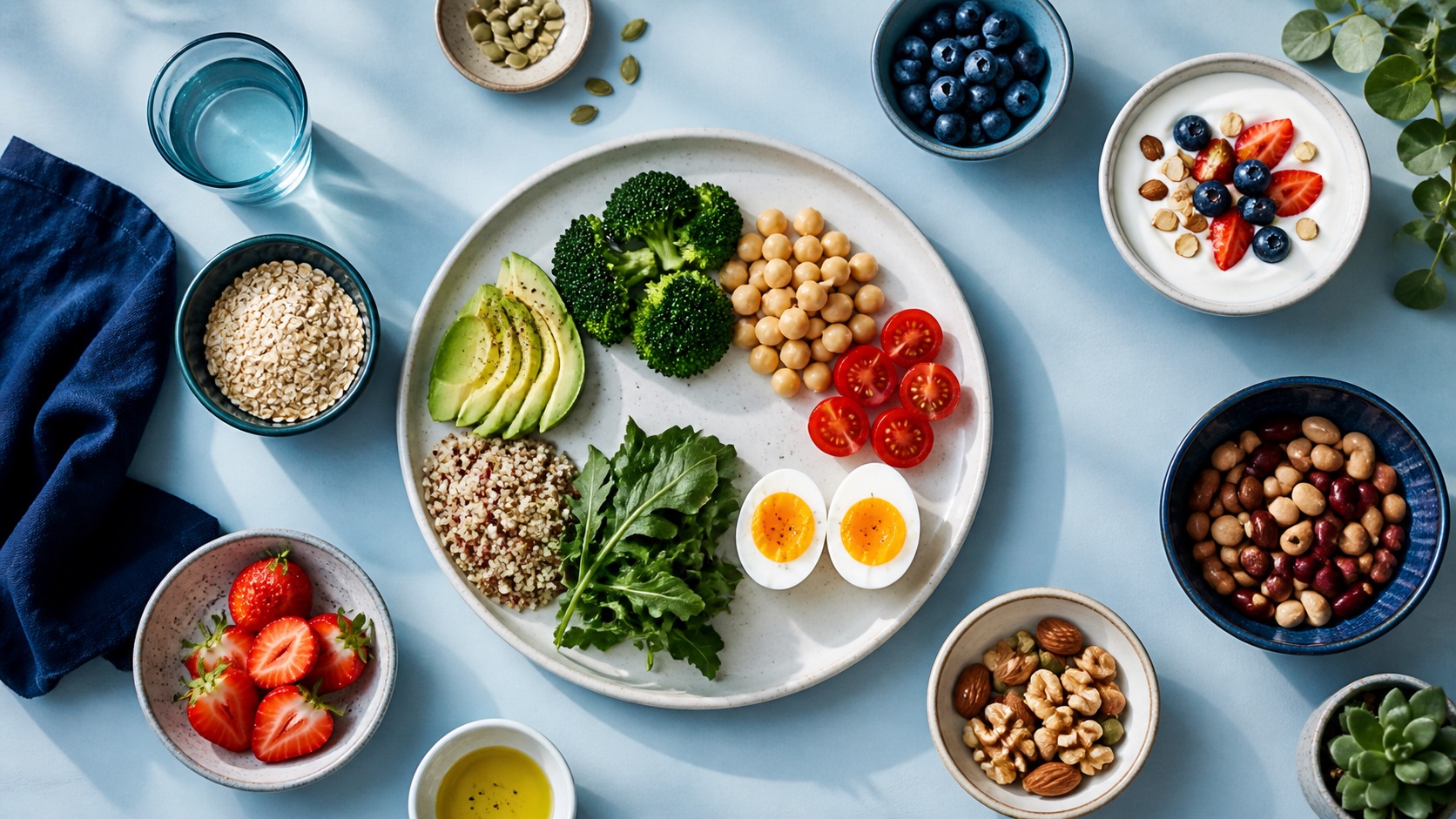
What a more complete pattern includes
- Enough total energy: needs vary with age, sex, size, activity, life stage, goals, and medical conditions.
- Protein from tolerable foods: dairy, eggs, fish, poultry, beans, lentils, soy foods, nuts, seeds, or other appropriate choices.
- Carbohydrate: grains, potatoes, beans, fruit, dairy, and other foods provide energy and nutrients.
- Dietary fat: oils, nuts, seeds, avocado, dairy, fish, and other foods support energy intake and nutrient absorption.
- Varied plant foods: vegetables, fruit, beans, and whole grains provide different fibers and micronutrients.
- Fluids: water needs come from beverages and foods and change with losses, climate, activity, and health status.
How to strengthen a small eating occasion
Instead of replacing a tolerable food, add one missing component. Toast can become toast with egg or nut butter and fruit. Yogurt can be paired with oats, cereal, nuts, or seeds. Soup can include beans, chicken, tofu, rice, or noodles. A shake can be a bridge on a difficult day, but it should not automatically become the entire plan.
When nausea or fullness is significant, use small additions and avoid forcing large portions. A registered dietitian can help tailor food choices when allergies, diabetes, kidney disease, gastrointestinal disease, pregnancy, or other conditions change what is appropriate.
Common pitfalls
- Counting grams of protein while ignoring total energy and food variety.
- Assuming low hunger proves that very low intake is safe.
- Removing carbohydrate or fat because weight loss is the goal.
- Relying on supplements to replace meals without clinical guidance.
- Using a generic online target as though it were a diagnosis or prescription.
When the issue is no longer a food-choice problem
Contact the prescriber when nausea, vomiting, pain, constipation, extreme fullness, or food aversion repeatedly prevents adequate intake. Report what you can actually eat and drink, changes in urination or bowel movements, dizziness, weakness, and how symptoms relate to the medication schedule. Medication changes should be handled with the prescriber.
Urgent warning signs
Seek medical help for repeated vomiting, inability to keep fluids down, severe or persistent abdominal pain, fainting, confusion, minimal urination, trouble breathing, serious allergic symptoms, or severe low blood sugar. A “healthy” food list does not make those symptoms safe to manage at home.
Related reading
Read Eating Enough While Taking a GLP-1 and A Balanced Day of Eating on a GLP-1.