
Quick answer
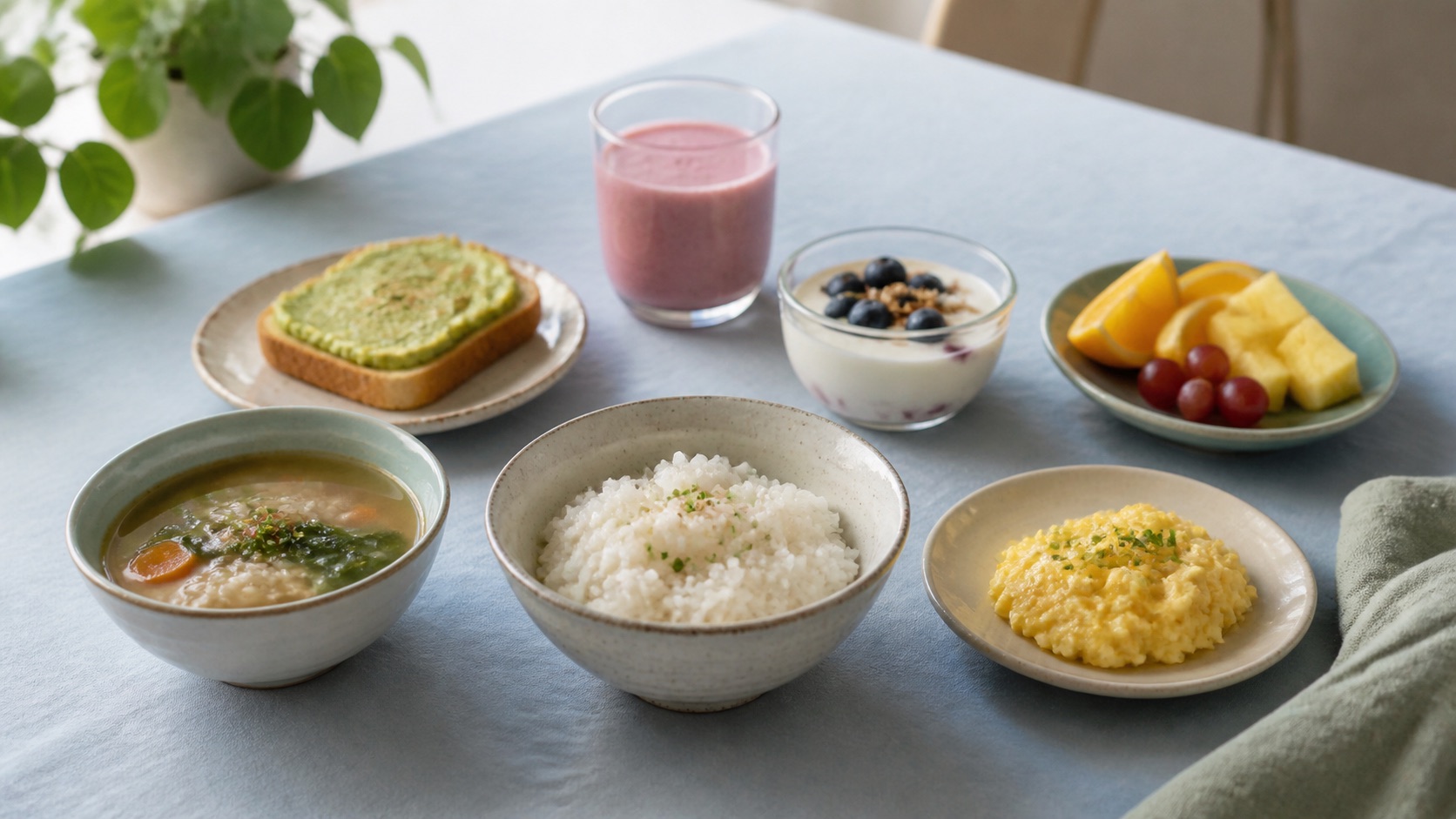
Small meals and planned snacks can be useful when a GLP-1 medicine causes early fullness or nausea. Instead of relying on two or three large meals, divide food into several comfortable eating occasions. Each occasion should have a purpose, such as adding protein, energy, fluid, or a food group that has been missing.
This strategy is not a substitute for medical assessment. Repeated vomiting, severe pain, inability to keep fluids down, very low urination, fainting, confusion, or rapidly worsening weakness needs prompt care. Persistent difficulty eating should be reported to the prescriber before medication changes are made.
Why smaller portions may help
GLP-1 medicines can reduce appetite and delay stomach emptying. A large meal may therefore cause uncomfortable fullness, nausea, reflux, or bloating in some people. A smaller portion reduces the amount the stomach must handle at one time. The next eating occasion provides another chance to add nutrition after the earlier food has settled.
The objective is not to eat as little as possible. It is to distribute a reasonable daily intake into portions that are more tolerable. If each portion becomes only a bite or two and the total continues to fall, the plan needs clinical review.
Give each snack a job
A snack can be more than a low-calorie filler. When intake is limited, pair foods so the snack contributes both protein and energy. Examples include yogurt and fruit, cheese and crackers, peanut butter and toast, egg and a small piece of bread, milk with cereal, or soup with soft beans. Choose suitable alternatives for allergies, dietary patterns, and medical needs.
Some eating occasions can emphasize fluids, such as soup, milk, or a modest smoothie. Others can add vegetables, fruit, grains, or dietary fat. Looking across the full day helps prevent a pattern in which one protein product replaces nearly every food group.
Build a simple schedule
Hunger may be an unreliable reminder. Pick several routine times and check in with your body. You might eat after waking, in the middle of the morning, around midday, during the afternoon, and in the evening. Adjust timing around work, sleep, nausea patterns, and clinician guidance.
Use reminders as invitations, not commands. If you are still very full, wait a little and try a smaller option. If you repeatedly cannot tolerate the planned occasions, write down the pattern and contact the prescriber.
Choose foods by tolerance
On a difficult day, soft, moist, bland, or lower-odor foods may be easier than fried, spicy, dry, or strongly scented foods. Very high-fat and very high-fiber meals can feel heavier for some people. That does not mean fat or fiber should be eliminated long term. Temporary changes should be followed by gradual variety as tolerated or individualized guidance from a registered dietitian.
Cold foods can reduce cooking odors. Keeping a few simple options ready can prevent an empty kitchen from turning a hard day into no intake at all. Food safety still matters, so refrigerate perishable foods promptly and discard food that has been left out too long.
Plan fluids without crowding food
Take small drinks regularly. If a large drink with food makes you too full, move more fluid between eating occasions. If drinking with meals feels fine, there is no rule requiring separation. The useful pattern is the one that supports both food and fluid intake.
Vomiting, diarrhea, heat, or heavy sweating can increase fluid and electrolyte losses. An oral rehydration product may be appropriate in some situations, but people with kidney, heart, blood pressure, or fluid restriction concerns should get individualized advice.
A sample decision process
- Ask what symptom is limiting intake: fullness, nausea, odor sensitivity, pain, reflux, or fatigue.
- Choose a small food with a texture and temperature that fit that symptom.
- Add a second component if tolerated so the eating occasion supplies more complete nutrition.
- Eat slowly and stop before discomfort escalates.
- Plan the next opportunity rather than forcing a larger portion.
- Record any worsening symptom and contact the prescriber when the pattern persists.
Common pitfalls
- Using only raw vegetables or fruit when total energy is already very low.
- Counting a few bites as a complete day because hunger is absent.
- Drinking a very large shake quickly and becoming too full for food.
- Waiting for intense hunger before every eating occasion.
- Changing the medication schedule without the prescriber.
When the strategy is not enough
Contact a clinician when intake remains inadequate for more than a short difficult period, weight is changing faster than expected, weakness or dizziness interferes with function, constipation or diarrhea becomes persistent, or nausea and fullness are getting worse. A registered dietitian can help build a personal plan, but severe symptoms require medical assessment first.
Urgent warning signs
Seek prompt medical care for severe or persistent abdominal pain, repeated vomiting, inability to keep fluids down, very little or no urine, fainting, confusion, trouble breathing, chest pain, blood in vomit or stool, or a serious allergic reaction.
Related reading
Read How to Eat When You Feel Full After Only a Few Bites, Appetite Suppression vs. Inability to Eat, and A Simple Daily Hydration Routine.