
Quick answer
Protein shakes can be convenient, but a very large shake may fill the stomach quickly. For someone already experiencing early fullness, nausea, bloating, or delayed stomach emptying, that volume can make it harder to eat anything else for hours. Drinking quickly, using a high-fat recipe, adding large amounts of fiber, or choosing intense sweetness may worsen tolerance for some people.
The answer is not to avoid protein. Use a smaller serving, sip it slowly, and count it as part of the day's total food rather than an extra task. Include other foods across the day so protein does not crowd out energy, carbohydrate, dietary fat, vitamins, minerals, and food variety.
Volume can compete with appetite
A shake combines fluid with powders and other ingredients. A large container may seem easier than a meal, but it still occupies stomach volume. GLP-1 medicines can reduce appetite and delay stomach emptying, so a large drink may create prolonged fullness. If it replaces both a meal and the next snack, the day may end with less total nutrition than intended.
Pay attention to the effect after drinking. If a shake leaves you comfortable and able to eat later, it may fit the plan. If it causes nausea, pressure, burping, reflux, or hours of food avoidance, reduce the size or change the ingredients and discuss persistent symptoms with the prescriber.
More protein is not the only goal
Protein helps maintain body tissues, but nutrition during weight loss is broader than a single nutrient. The body also needs sufficient energy, essential fats, carbohydrate, fiber as tolerated, vitamins, minerals, and fluids. A high protein total does not prove that overall intake is adequate.
Individual protein needs vary with body size, age, activity, health conditions, and clinical goals. Kidney disease and some other conditions may require individualized targets. Use a registered dietitian or healthcare professional for a personal recommendation instead of copying the largest number found online.
Ingredients can change tolerance
Protein powder is only one part of a shake. Milk, yogurt, nut butter, oil, fruit, oats, seeds, fiber powders, sweeteners, caffeine, and supplements can change volume, fat, fiber, sweetness, and digestion. A combination that is nutritionally dense can also feel heavy during a nausea flare.
Change one variable at a time. Try a smaller amount, a thinner consistency, fewer add-ins, or a less sweet option. Lactose, sugar alcohols, caffeine, and certain added fibers may bother some people. Do not remove major food groups based on one episode, and do not add supplements without checking for medication or health-condition concerns.
Smaller formats may work better
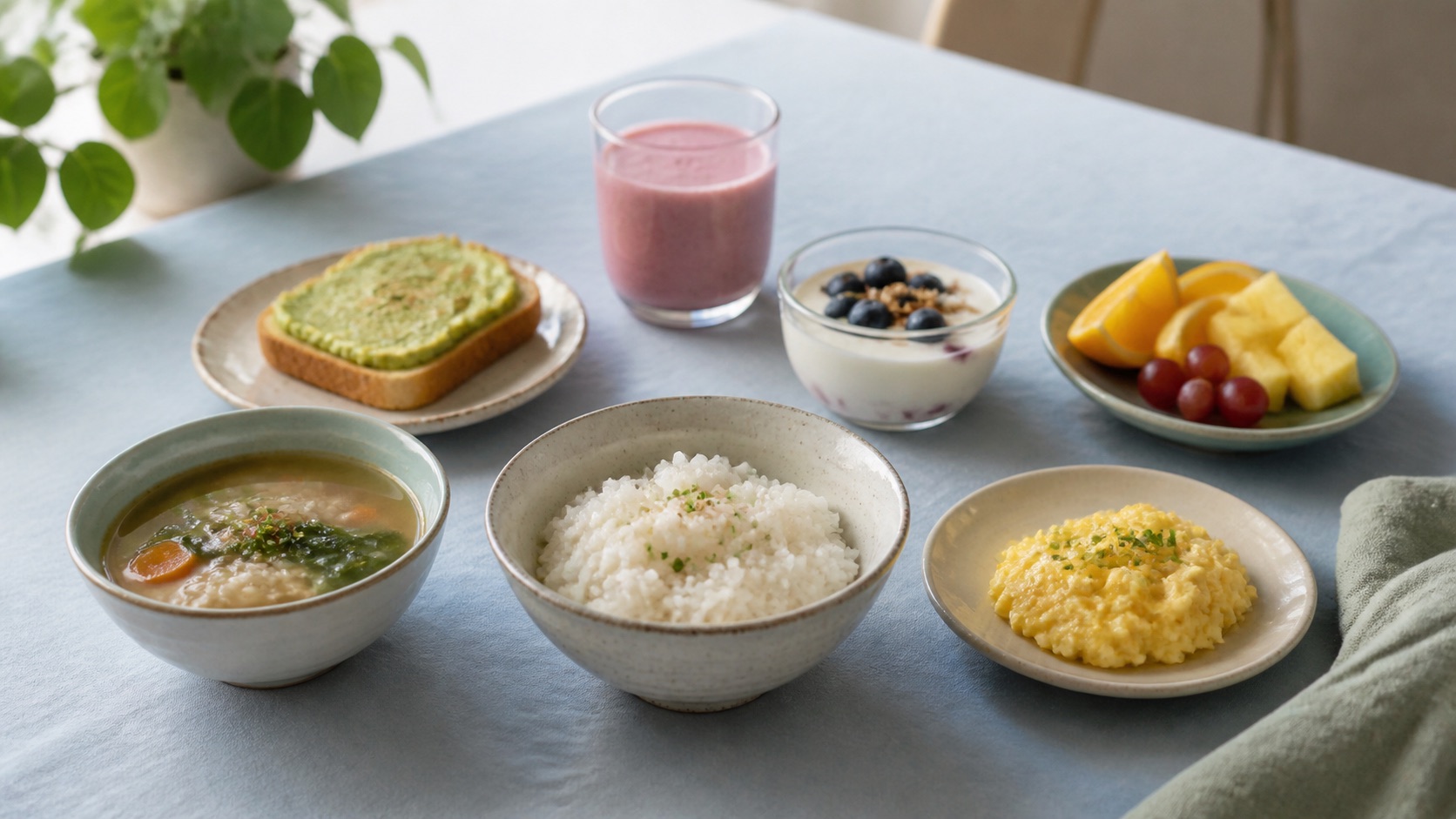
A half-size shake can be paired with toast, fruit, cereal, or another tolerated food. Yogurt, milk, eggs, cottage cheese, beans, fish, poultry, tofu, or other foods can spread protein across several eating occasions. Food choice should reflect preferences, allergies, cultural patterns, and medical needs.
Spreading intake may be more comfortable than trying to reach an entire daily target in one drink. It can also make it easier to include carbohydrate and dietary fat, which help meet energy needs when overall food volume is low.
Do not use a shake to hide worsening symptoms
If solid foods become increasingly difficult and shakes are the only thing that stays down, contact the prescribing clinician. A short period of softer or liquid foods can be useful in some situations, but a persistent decline in texture tolerance needs assessment. Severe fullness, repeated vomiting, or abdominal pain should not be normalized.
Tell the clinician when symptoms began, whether they followed a medication change, the amount and type of fluids tolerated, bowel movements, urination, dizziness, weakness, and any pain. Do not increase, reduce, skip, or stop medication without guidance.
A practical shake check
- Review the serving size and total volume.
- List every ingredient, including supplements and sweeteners.
- Notice how quickly you drink it.
- Track fullness, nausea, reflux, bloating, and the next time you can eat.
- Compare it with a smaller serving on another day.
- Ask whether it is adding to the diet or replacing nearly everything else.
Common pitfalls
- Finishing a large shake quickly because it is labeled healthy.
- Adding several powders without checking ingredients or interactions.
- Using protein grams as the only measure of nutrition adequacy.
- Ignoring persistent nausea or pain because liquids still go down.
- Choosing caffeinated shakes when dizziness, palpitations, or poor sleep is present.
When to seek help
Contact a clinician when fullness or nausea repeatedly prevents adequate food, shakes are the only tolerated nutrition, symptoms worsen after medication changes, or weakness and dizziness interfere with normal activity. A dietitian can help adjust food texture and distribution after urgent problems have been ruled out.
Urgent warning signs
Seek prompt medical care for severe or persistent abdominal pain, repeated vomiting, inability to keep fluids down, very little or no urine, fainting, confusion, trouble breathing, chest pain, blood or coffee-ground material in vomit, black stool, or a serious allergic reaction.
Related reading
Read How to Eat When You Feel Full After Only a Few Bites, Small Meals, Frequent Snacks, and When Reduced Appetite Has Gone Too Far.