
GLP-1 Hydration & Electrolytes
7 published articles in GLP-1 Hydration & Electrolytes
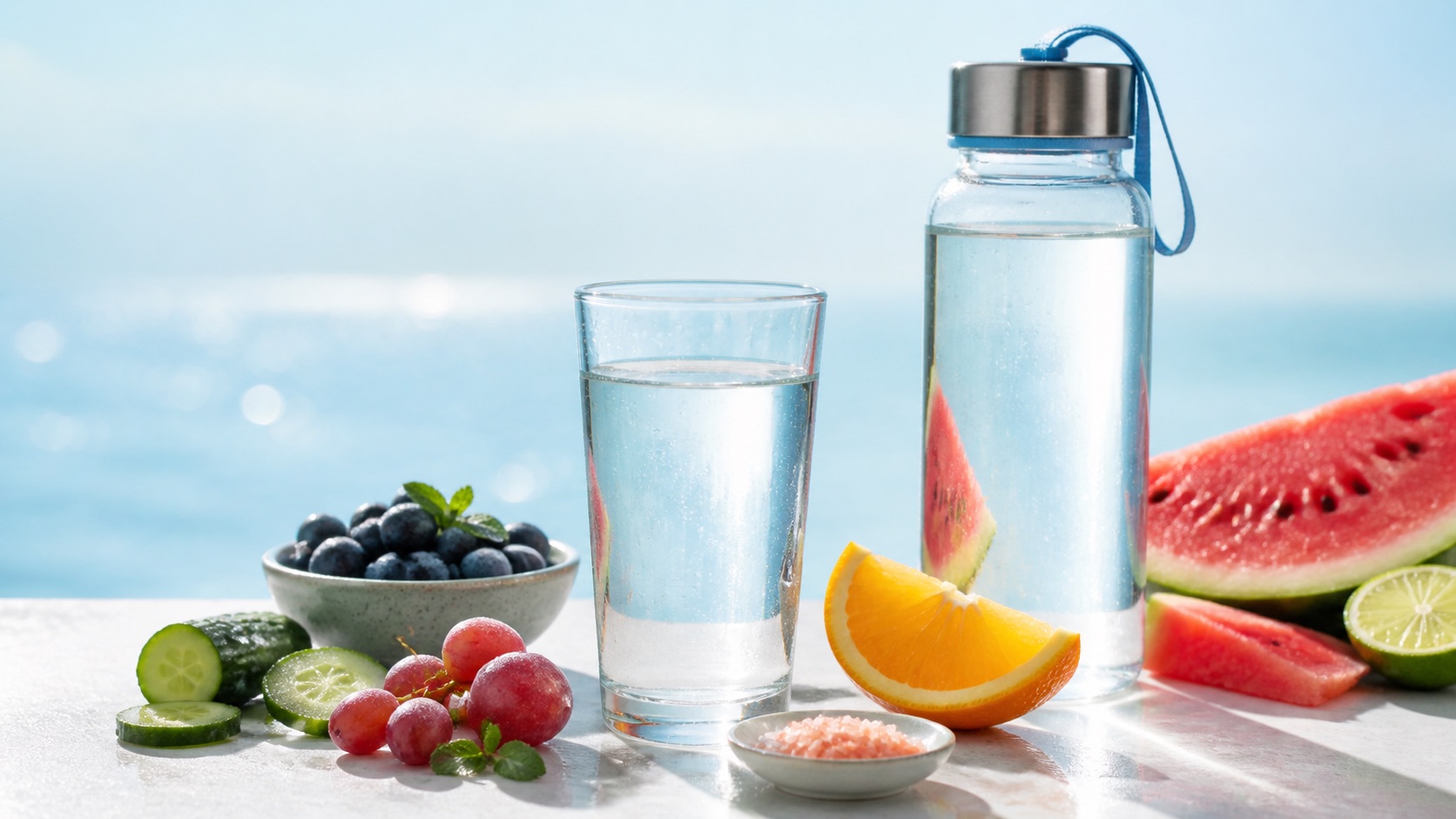
A Simple Daily Hydration Routine for People With Reduced Appetite
How can someone build a simple daily hydration routine when appetite and thirst are reduced?
When appetite and thirst cues are weak, a simple hydration routine can reduce long gaps without drinking a large amount at once. Use small, regular drinks, include water-rich foods, and adjust for heat, activity, vomiting, diarrhea, and medical conditions.
By PepMarket Editorial Team
Dark Urine, Dizziness, and Headaches: What Your Body May Be Telling You
Do dark urine, dizziness, and headaches mean someone taking a GLP-1 medication is dehydrated?
Dark urine, dizziness, and headaches can occur with dehydration, but none of them proves dehydration by itself. Look at the full pattern, including fluid losses, urine frequency, ability to drink, medicines, blood sugar, and whether symptoms are worsening.
By PepMarket Editorial Team
Vomiting, Diarrhea, and Dehydration: How Quickly Problems Can Develop
How quickly can vomiting or diarrhea lead to dehydration while taking a GLP-1 medication?
Vomiting and diarrhea can reduce fluid intake while increasing water and electrolyte losses. Risk can rise quickly when symptoms repeat, food and drink will not stay down, urination falls, or dizziness, weakness, fainting, or confusion develops.
By PepMarket Editorial Team
Can You Drink Too Many Electrolytes? Understanding Sodium, Potassium, and Magnesium
Can someone drink too many electrolytes while taking a GLP-1 medication?
Yes. Electrolyte products can provide more sodium, potassium, or magnesium than a person needs, especially when several products are combined or kidney, heart, blood pressure, or medication factors affect how the body handles minerals.
By PepMarket Editorial Team
Water vs. Electrolytes: What Each One Does and When You Need Them
When should someone use plain water versus an electrolyte drink while taking a GLP-1 medication?
Plain water meets routine hydration needs for many people. Electrolyte or oral rehydration drinks are more useful when vomiting, diarrhea, heavy sweating, or poor intake causes meaningful fluid and salt losses, but the right choice depends on health conditions and medicines.
By PepMarket Editorial Team
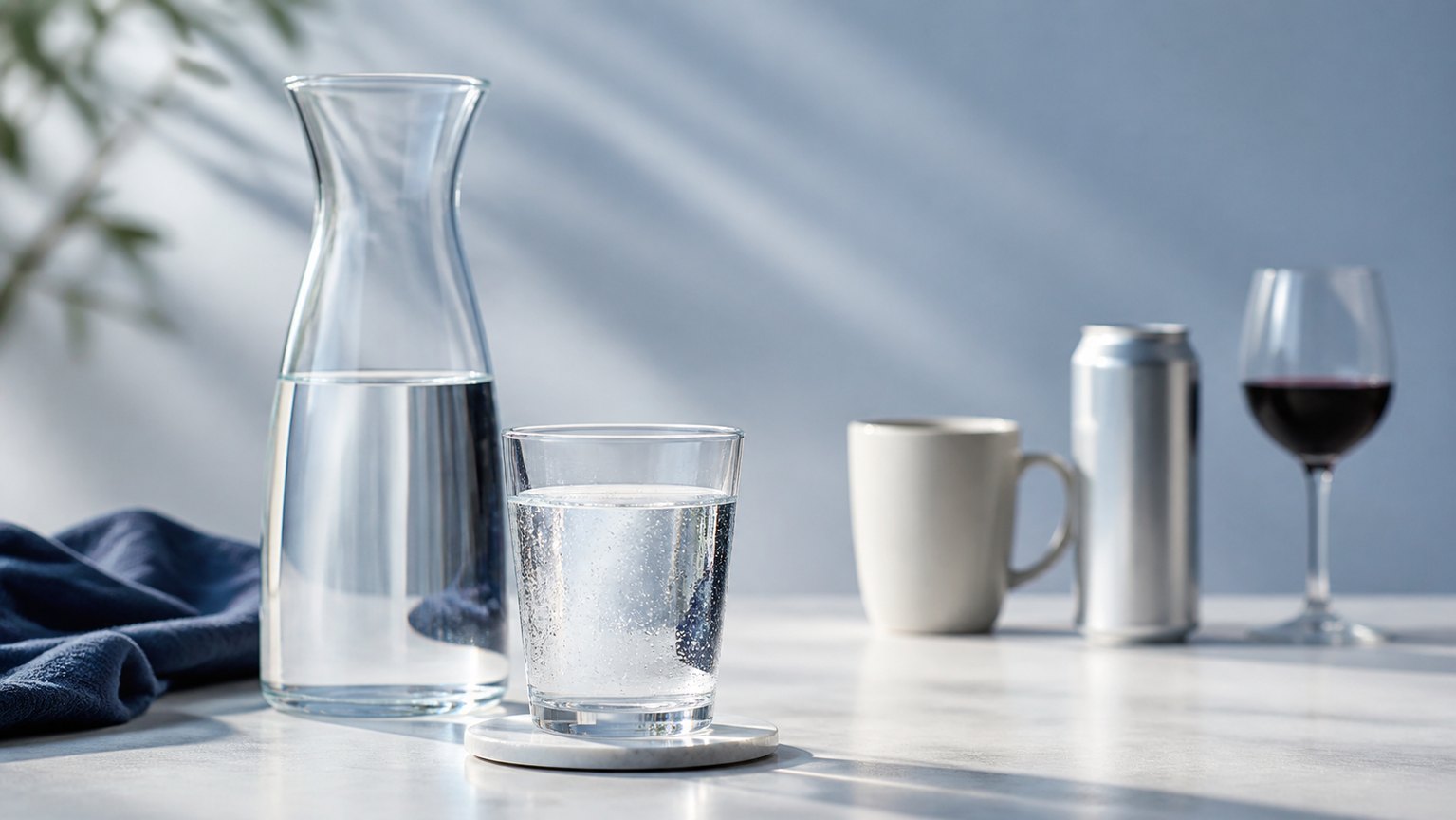
Why Coffee, Energy Drinks, and Alcohol Do Not Replace Water
Do coffee, energy drinks, or alcohol replace water while taking a GLP-1 medication?
Coffee and tea contain water, but caffeine, added sugar, serving size, sleep effects, and stomach tolerance still matter. Energy drinks and alcohol add other risks and should not be treated as substitutes for a regular hydration routine.
By PepMarket Editorial Team
Signs You May Be Dehydrated: When It Becomes Urgent
What are the signs of dehydration and when is it an emergency?
Learn how to recognize the early signs of dehydration, practical tips for staying hydrated, and the urgent warning signs that require immediate medical attention.
By PepMarket Editorial Team