
Quick answer
The body still needs dietary fat during weight loss. Fat supplies energy, provides essential fatty acids, and helps the body absorb fat-soluble vitamins. The useful question is not whether all fat is bad. It is which sources and portions fit the person’s health needs, symptoms, and complete diet.
What dietary fat contributes
MedlinePlus explains that fat is a nutrient that provides energy and supports vitamin absorption. Dietary guidance also distinguishes among types of fat. Foods rich in unsaturated fats, such as olive oil, avocado, nuts, seeds, and many fish, are different from patterns dominated by saturated or trans fats.
Fat is energy dense, so a modest portion can add useful energy when appetite is low. That can help when a person is eating only small meals. At the same time, a large or very rich meal may worsen nausea, reflux, belching, or uncomfortable fullness for some people. The amount that feels tolerable can vary from one eating occasion to another.
Type and pattern matter
Dietary fat is not one substance. Monounsaturated, polyunsaturated, saturated, and trans fats have different food sources and health implications. A practical pattern can emphasize unsaturated-fat foods while limiting foods dominated by saturated fat and avoiding industrial trans fat where possible. This does not require perfection at every meal. The overall pattern, portion size, and what can be tolerated consistently are more informative than labeling a single food as good or bad.
Practical ways to include fat
- Add a small amount of olive oil to vegetables, soup, grains, or beans.
- Try a thin spread of nut or seed butter with toast or fruit.
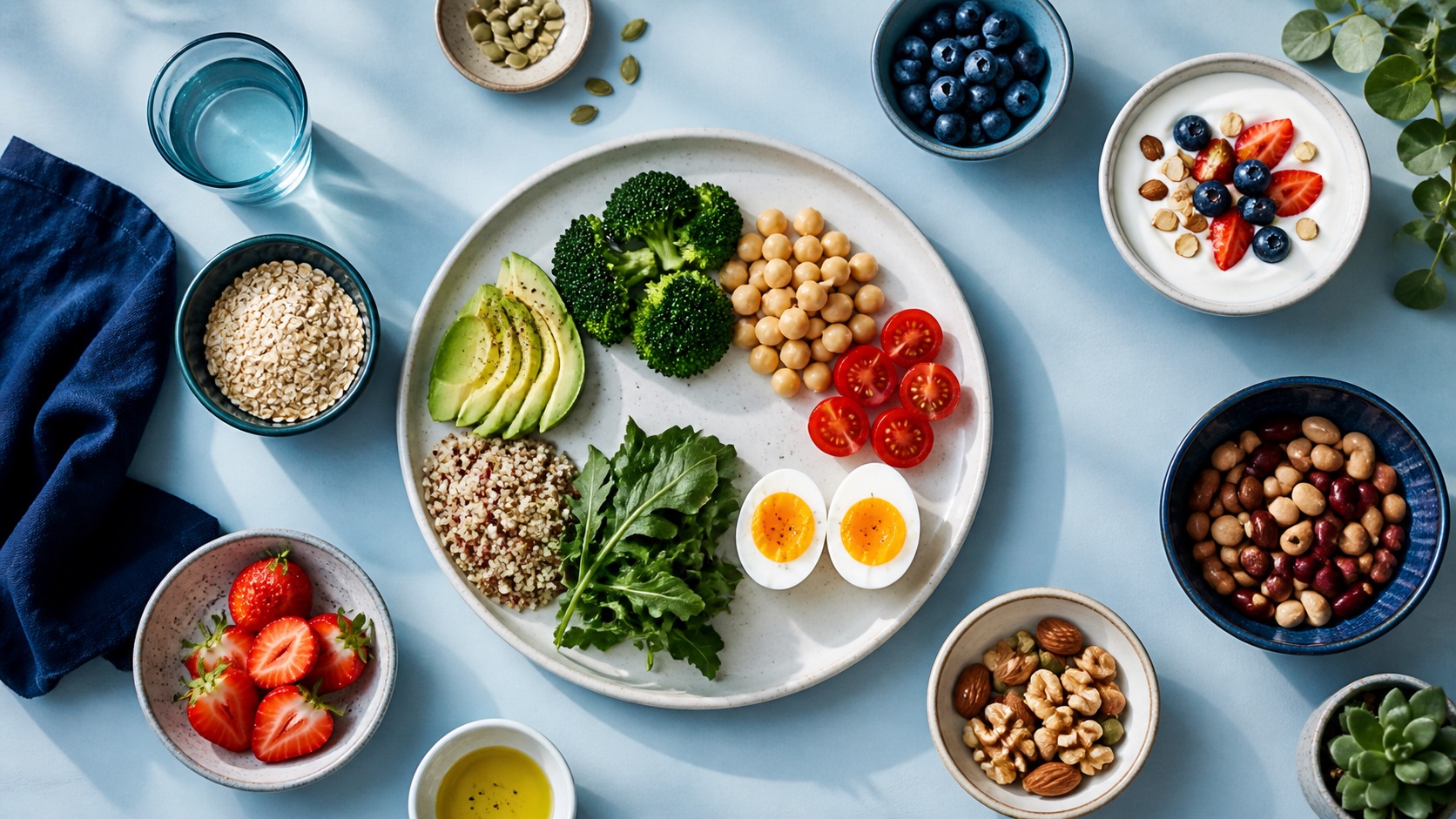
- Use avocado, yogurt, eggs, tofu, or fish as part of a small mixed meal.
- Choose smaller portions and add more later if the first portion sits comfortably.
- Avoid assuming that fried or very greasy foods are the only way to obtain dietary fat.
A balanced small meal might combine a protein food, a carbohydrate source, produce, and a modest fat source. Examples include oatmeal with milk and nut butter, toast with egg and avocado, or rice with fish and cooked vegetables. The purpose is nutritional completeness, not creating a rigid formula.
Read the whole label
Packaged foods and shakes can contain several types of fat along with sodium, added sugar, fiber, protein, and fortified nutrients. Compare the serving size with the amount actually eaten. A product marketed as low fat is not automatically nutritionally complete, and a product containing fat is not automatically unsuitable. If several shakes, bars, or supplements are used each day, a dietitian or pharmacist can help check for nutrient overlap and missing food groups.
Why zero fat can create problems
Eliminating nearly every fat source can make it harder to obtain essential fatty acids and fat-soluble vitamins within a small amount of food. It may also lower total energy intake further when appetite is already suppressed. A diet can look very controlled while still being inadequate.
The opposite extreme is also unhelpful. Very large amounts of fat do not guarantee better nutrition, and highly restrictive diet rules can crowd out variety. People with gallbladder disease, pancreatitis history, significant digestive symptoms, or other medical conditions need individualized advice about food tolerance and meal composition.
Medication symptoms should not be normalized
FDA prescribing information for approved GLP-1 based products describes gastrointestinal adverse reactions and warnings involving pancreatitis, gallbladder disease, and dehydration related to fluid loss. Severe or persistent symptoms are not a reason to keep experimenting with increasingly restrictive meals. Report the medication name, dose timing, symptom onset, pain location, vomiting, bowel changes, fluids tolerated, and recent food intake to the prescriber.
Urgent warning signs
Seek prompt medical evaluation for severe or persistent abdominal pain, especially if it reaches the back or occurs with vomiting. Fever, yellowing of the skin or eyes, pale stools, repeated vomiting, fainting, confusion, inability to keep fluids down, trouble breathing, or signs of a serious allergic reaction also need urgent attention.
Related reading
Continue with Eating Enough While Taking a GLP-1, A Balanced Day of Eating, and Healthy Foods vs. a Complete Diet.