
Quick answer
If a GLP-1 medication makes large meals uncomfortable, the answer is usually not to force a large plate. A more practical approach is to make each tolerated bite do more nutritional work. That can mean eating smaller amounts more often, pairing several food groups in a mini meal, and adding modest amounts of energy-rich ingredients when they are tolerated. The goal is adequate nourishment without worsening nausea, reflux, bloating, or early fullness.
Calorie and nutrient needs vary with age, body size, activity, health conditions, and weight goals. A licensed clinician or registered dietitian can help set an individual target. The USDA Dietary Reference Intakes calculator can provide an estimate, but it cannot account for every medical factor or current symptom.
Why small portions can become a problem
GLP-1 medications can reduce appetite and slow stomach emptying. Nausea, vomiting, abdominal discomfort, constipation, and diarrhea are also listed adverse effects for approved GLP-1 medicines. When a person routinely stops after only a few bites, total energy, protein, fluid, and micronutrient intake can fall even if the foods they choose are nutritious.
A low-volume eating plan should still include variety. Relying on only fruit, toast, yogurt, or protein drinks may leave gaps in energy, essential fats, carbohydrates, fiber, vitamins, or minerals. The joint nutrition advisory on GLP-1 therapy emphasizes nutritional assessment, adequate intake, preservation of lean mass, and ongoing monitoring rather than a single universal diet.
Build a complete mini meal
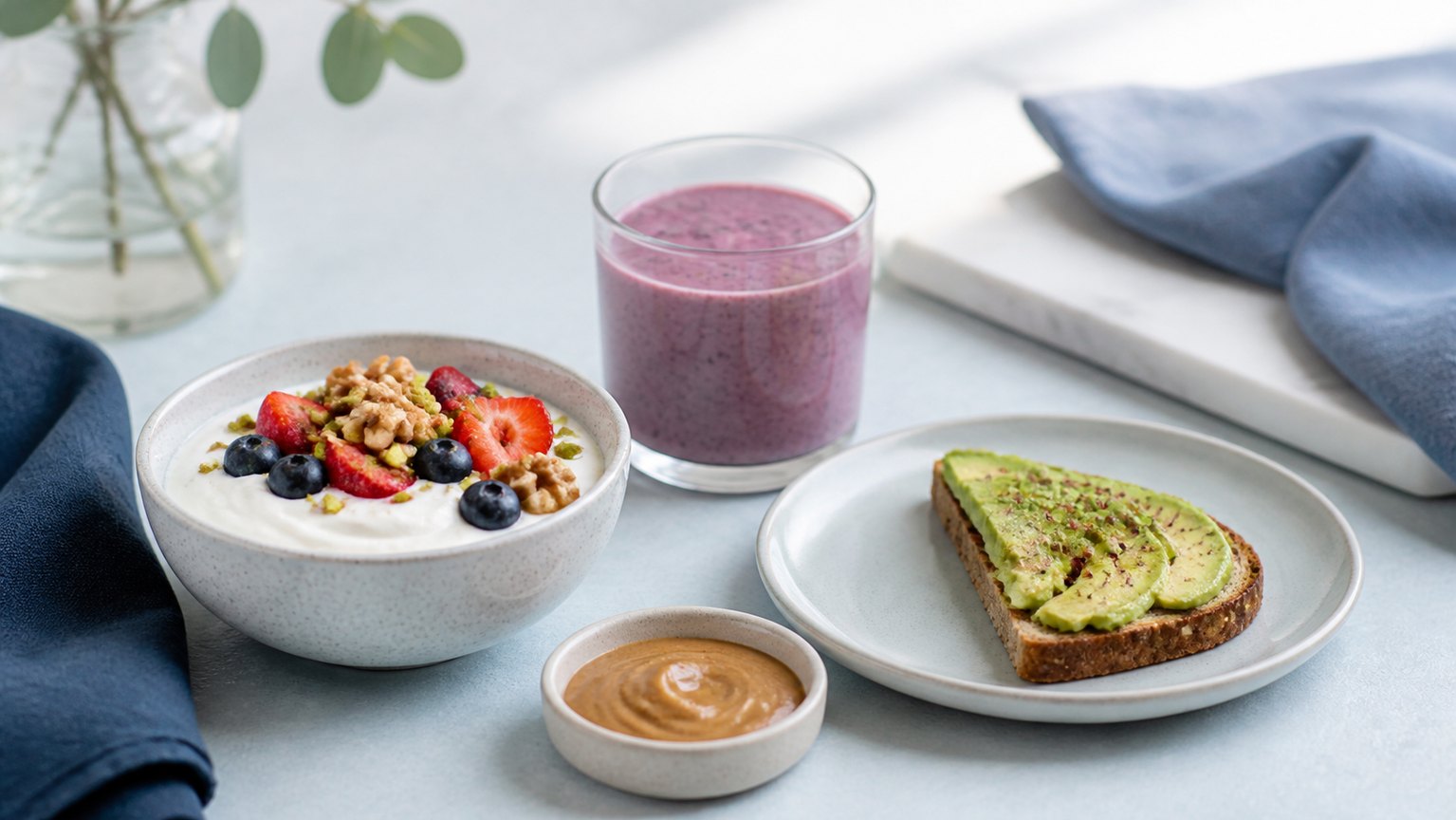
A useful small-meal pattern combines a protein food, a carbohydrate source, and a tolerated source of fat. Examples include yogurt with oats and nut or seed butter, egg with toast and avocado, rice with tofu and a small amount of oil, or cottage cheese with fruit and crackers. These are examples, not required menus. Allergies, digestive symptoms, cultural preferences, kidney disease, diabetes, and other conditions may change what is appropriate.
Adding one ingredient at a time can make it easier to identify what helps and what worsens symptoms. A spoonful of nut or seed butter, olive oil, avocado, cheese, powdered milk, or hummus can increase energy without greatly increasing portion size. Higher-fat foods can worsen fullness or nausea for some people, so additions should be modest and guided by tolerance.
Use frequency instead of volume
Several small eating opportunities may be easier than three large meals. A person might plan a mini meal or snack every few hours while awake, but the timing should fit symptoms, medication instructions, and the clinician's advice. Waiting for strong hunger may not work when appetite is suppressed. A simple phone reminder or visible snack can help make eating more consistent.
Eat slowly, chew thoroughly, and stop before discomfort becomes intense. NIDDK guidance for delayed stomach emptying describes small, frequent meals and softer or liquid textures as strategies that may improve tolerance for some people. That guidance is not a diagnosis of gastroparesis and does not mean every person on a GLP-1 has that condition.
Consider liquids carefully
Milk, fortified dairy alternatives, soups, smoothies, and oral nutrition products can provide energy when solid food is difficult. Very large shakes can create the same volume problem as a large meal, and drinking quickly can worsen fullness. A smaller serving sipped slowly may be easier. Choose products that fit allergies, glucose management, kidney needs, and clinician guidance.
Fluids are still important, especially with vomiting or diarrhea. Some people tolerate sipping between meals better than drinking a large amount with food. People with heart failure, kidney disease, or prescribed fluid restrictions should follow their medical plan instead of a general hydration suggestion.
Track the pattern, not just one meal
For several days, note what was eaten, approximate portions, fluids, nausea, vomiting, bowel symptoms, dizziness, and urine changes. This record can help a clinician see whether the problem is occasional or persistent. It can also reveal whether a particular texture, portion, or time of day is easier.
When to contact the prescriber
Contact the prescriber if reduced intake continues, weight is falling faster than intended, weakness or dizziness is increasing, or nausea and constipation are preventing normal eating. Do not change, skip, or stop a medication dose based on an article. The prescriber can evaluate side effects, hydration, other medicines, and whether laboratory testing or nutrition support is needed.
Urgent warning signs
Seek prompt medical care for severe or persistent abdominal pain, repeated vomiting, inability to keep fluids down, fainting, confusion, trouble breathing, signs of a serious allergic reaction, or symptoms of severe dehydration. These problems should not be managed by trying to add more calories at home.