
PepMarket research products are not for human use or consumption. The information in this article is for educational purposes only and does not replace the advice of a licensed clinician or registered dietitian.
Quick Answer
When taking GLP-1 medications, your appetite may decrease significantly. To build a small meal that is nutritionally complete, you must focus on nutrient density. Every mini-meal should include a source of lean protein, fiber from vegetables or whole grains, and healthy fats. Because individual needs vary widely, there are no universal targets for calories, protein, or fluids. Always work with your prescriber or a dietitian to determine the right nutritional plan for your body.
Why Nutrition Matters When Your Appetite Drops
GLP-1 medications slow down digestion and reduce appetite. While this helps with weight management and blood sugar control, it also makes it difficult to consume enough food. Eating significantly less can create gaps in your nutrition. If you do not plan your meals carefully, you risk losing muscle mass, developing vitamin deficiencies, and worsening medication side effects.
Research shows that prioritizing nutrition is a critical part of GLP-1 therapy (Nutritional Priorities to Support GLP-1 Therapy for Obesity). However, a complete diet looks different for everyone. Your age, activity level, and medical history dictate your specific requirements. Instead of aiming for a universal calorie or protein goal, focus on making every bite count.
Practical Guidance: How to Build a Complete Small Meal
When you can only eat a few bites, those bites need to work hard. Building a nutritionally complete small meal involves combining different macronutrients to support your overall health. Eating slowly and chewing your food thoroughly can also help your stomach process these nutrients more comfortably.
Prioritize Protein
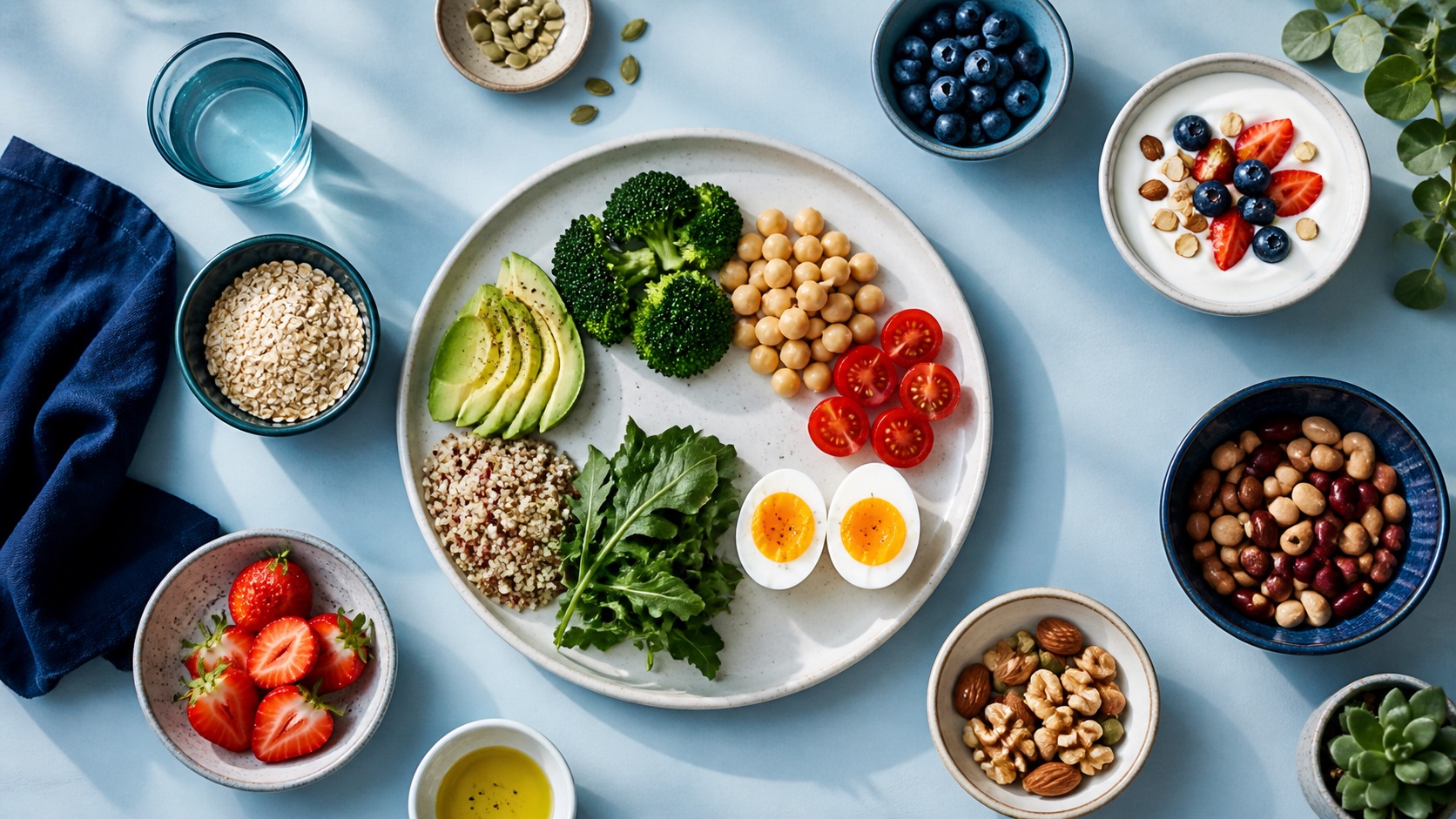
Protein is essential for preserving muscle mass when you are losing weight. When building a small meal, start by choosing a protein source. Lean meats, poultry, fish, eggs, tofu, and legumes are excellent choices. If you struggle to eat solid foods due to a lack of appetite, talk to your healthcare provider about whether protein shakes or smoothies might be appropriate for your specific situation.
Include Fiber-Rich Foods
Fiber supports digestion and helps manage constipation, which is a very common side effect of GLP-1 medications. Include small portions of leafy greens, berries, beans, or whole grains in your meals. If you find that raw vegetables cause bloating or stomach discomfort, try cooking them thoroughly to make them easier to digest.
Incorporate Healthy Fats
Fats are calorie-dense, meaning they provide a significant amount of energy in a very small volume. Adding a slice of avocado, a sprinkle of nuts, or a drizzle of olive oil to your meal can help you meet your energy needs without requiring you to eat large quantities of food.
Hydration: The Missing Nutrient
Hydration is just as important as the food on your plate. GLP-1 medications can alter your thirst cues, making it easy to become dehydrated. Furthermore, if you experience side effects like vomiting or diarrhea, your fluid losses will increase.
Fluid and electrolyte needs vary from person to person. Instead of forcing a specific number of ounces per day, pay attention to your body. Drink fluids consistently throughout the day. If you struggle to drink plain water, try herbal teas or water infused with fruit. If you suspect you are falling behind on your hydration, contact your prescriber for personalized advice.
Common Pitfalls to Avoid
Transitioning to smaller meals can be challenging. Watch out for these common mistakes:
- Skipping meals entirely: It is easy to forget to eat when you do not feel hungry. Skipping meals can lead to severe fatigue and make it impossible to meet your nutritional needs. Set a timer to remind yourself to eat small amounts regularly.
- Filling up on empty calories: When you only have room for a little food, eating highly processed snacks with no nutritional value will leave your body starved of essential vitamins and minerals.
- Ignoring your body's signals: If a certain food makes you feel overly full or nauseous, do not force yourself to finish it. Learn to listen to your new fullness cues.
- Changing your medication dose: Never increase, decrease, skip, stop, stack, or change your medication to manage your appetite or side effects. Always contact your prescriber for guidance.
Managing Common Side Effects
Gastrointestinal side effects are the most frequently reported issues with GLP-1 medications (Adverse Effects of GLP-1 Receptor Agonists). You may experience mild to moderate nausea, vomiting, diarrhea, or constipation as your body adjusts to the medication.
Eating smaller, more frequent meals can help manage nausea. Avoiding greasy, spicy, or highly sweet foods may also reduce stomach upset. If you experience constipation, increasing your fluid intake and gently adding more fiber to your diet can provide relief. Most of these common side effects are temporary, but you should always keep your healthcare provider informed about how you are feeling. Keeping a daily symptom journal can be a helpful way to track your progress and share accurate information with your clinician.
Urgent Warning Signs
While mild stomach upset is common, certain symptoms require immediate medical evaluation. GLP-1 medications have been associated with rare but serious complications, including gallbladder disease and severe gastrointestinal issues (Association of glucagon-like peptide-1 receptor agonist use with risk of gallbladder and biliary diseases; GLP-1 Agonists and Gastrointestinal Adverse Events).
Contact a licensed clinician or seek emergency medical care immediately if you experience any of the following urgent warning signs:
- Severe abdominal pain: Pain that is intense, does not go away, and may radiate to your back. This can be a sign of pancreatitis or gallbladder problems.
- Inability to pass gas or have a bowel movement: Accompanied by severe bloating or vomiting, this could indicate a bowel obstruction.
- Severe or persistent vomiting and diarrhea: This can rapidly lead to acute kidney injury due to severe dehydration.
- Signs of severe dehydration: Dizziness, confusion, rapid heartbeat, or a significant decrease in urination.
- Yellowing of your skin or eyes: This is a sign of potential liver or gallbladder complications.
If you experience these severe, persistent, or worsening symptoms, do not wait for your next appointment. Seek medical help right away.