
Quick answer
Protein matters during weight loss because it supplies amino acids used throughout the body and helps support lean tissue. However, there is no single high-protein target that is right for every person taking a GLP-1 medication. Needs change with body size, age, activity, pregnancy, illness, kidney function, and how much total food and energy a person can tolerate.
Start with an individualized reference
Dietary Reference Intakes provide planning values for generally healthy people. The USDA DRI Calculator and published DRI tables can help estimate a starting point, but they do not replace assessment by a clinician or registered dietitian. A number produced by a calculator should be interpreted alongside medical history, weight trend, appetite, activity, and the rest of the diet.
Protein is only one part of adequate nutrition. A person may reach a protein number using shakes or bars while still falling short on energy, carbohydrates, fats, fiber, vitamins, minerals, or fluids. When appetite is limited, the goal is a complete and tolerable pattern, not winning a contest for the highest protein intake.
How to think about a starting target
Published reference values are designed for healthy population groups, not for diagnosing an individual. Body weight based calculations can also be misleading when recent weight change is rapid, fluid status is abnormal, or a medical condition changes protein needs. That is why a general calculator result should be treated as a conversation starter. A dietitian can compare the estimate with actual intake, strength, activity, kidney function, food preferences, and the pace of weight change. The most useful target is one that fits the full nutrition plan and can be eaten consistently without worsening symptoms.
Practical protein choices for smaller meals
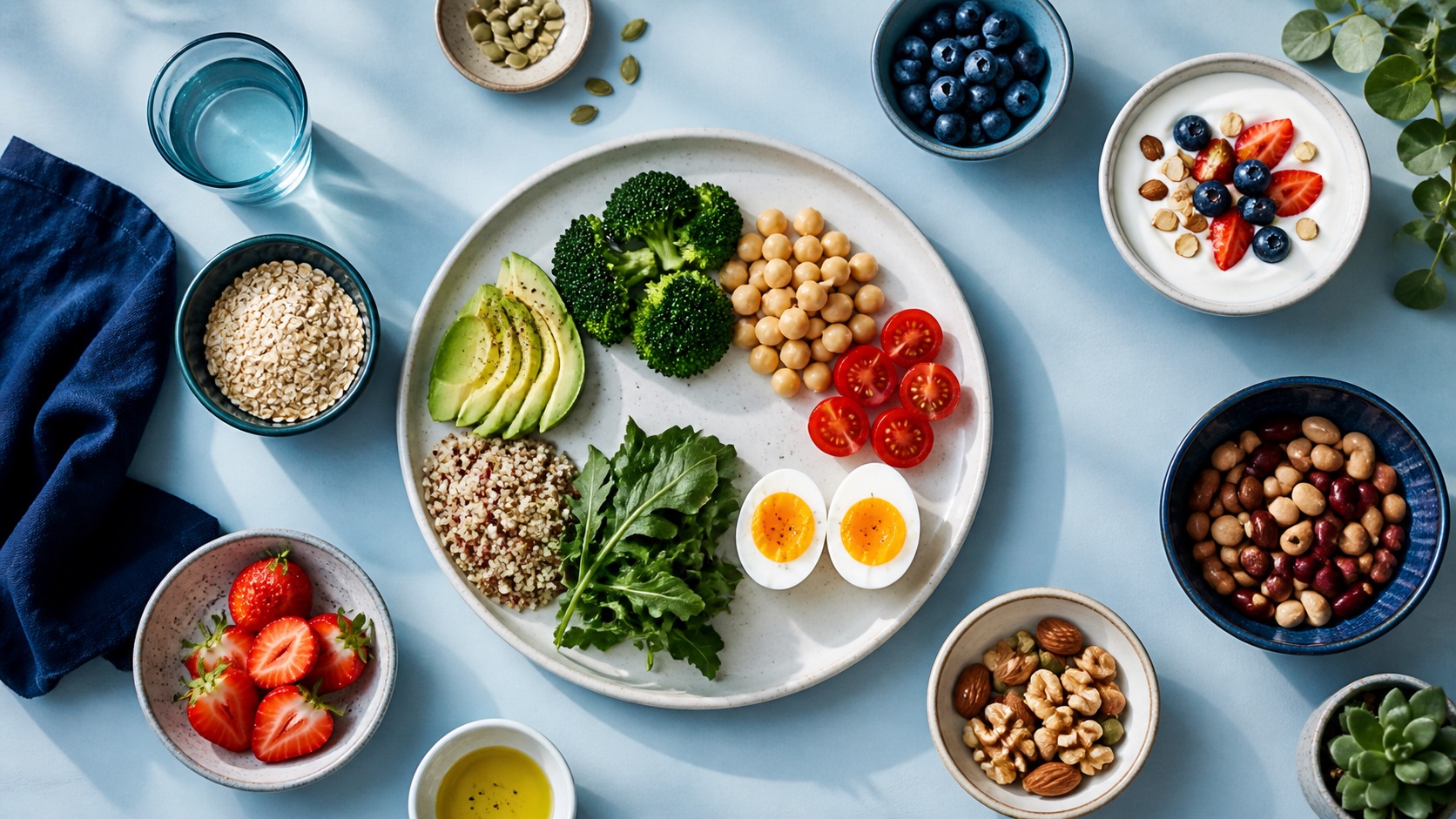
Many people tolerate modest portions better than one large serving. Depending on preferences and medical needs, options can include eggs, yogurt, cottage cheese, milk, fish, poultry, tofu, tempeh, beans, lentils, or nut and seed butters. Pairing a protein food with a carbohydrate source, a fruit or vegetable, and some dietary fat can create a more complete eating occasion.
- Use soft or moist foods when dry meat is difficult to tolerate.
- Divide protein foods across meals and snacks rather than forcing a large portion.
- Keep portions small enough to eat comfortably, then add more later if needed.
- Use shakes as a supplement when helpful, not automatically as the entire diet.
- Choose products with ingredients and nutrient amounts that fit the overall plan.
Food first, shakes when useful
A shake can be convenient when chewing or food odors are difficult, but it should be evaluated as part of the day rather than in isolation. Some products provide protein with little carbohydrate, fat, or fiber, while others contain large amounts of added sugar, sodium, or added vitamins. Read the label, compare it with other foods and supplements, and avoid using several fortified products without checking for overlap. A simple yogurt, milk, tofu, egg, bean, or fish meal may provide useful nutrients that a narrowly formulated powder does not.
Why more is not automatically better
Increasing protein can crowd out other necessary foods when appetite is already low. Very large servings may also worsen fullness, nausea, reflux, or food aversion for some people. A high-protein plan may need special evaluation in people with kidney disease or other medical conditions. Supplements can also contain substantial added sugar, sweeteners, sodium, or vitamins and minerals that overlap with other products.
FDA prescribing information for approved semaglutide and tirzepatide products describes gastrointestinal reactions that can be severe and can contribute to dehydration. If a person cannot keep down food or fluids, adding more protein powder is not the solution. The prescribing clinician needs an accurate account of symptoms and intake.
Signs the nutrition plan needs help
Contact the prescriber or a dietitian if intake is narrowing to only a few foods, strength is declining, weight is falling faster than expected, vomiting continues, or protein foods repeatedly cause discomfort. People with kidney disease, significant liver disease, pregnancy, an eating disorder history, or complex medication regimens should not set an aggressive target without individualized guidance.
Urgent warning signs
Seek prompt medical care for severe or persistent abdominal pain, repeated vomiting, inability to keep fluids down, fainting, confusion, very little or no urination, trouble breathing, or signs of a serious allergic reaction. These symptoms require evaluation rather than a nutrition adjustment alone.
Related reading
Continue with Eating Enough While Taking a GLP-1, What a Balanced Day of Eating Can Look Like, and Healthy Foods vs. a Complete Diet.