
GLP-1 Appetite & Meal Tolerance
6 published articles in GLP-1 Appetite & Meal Tolerance
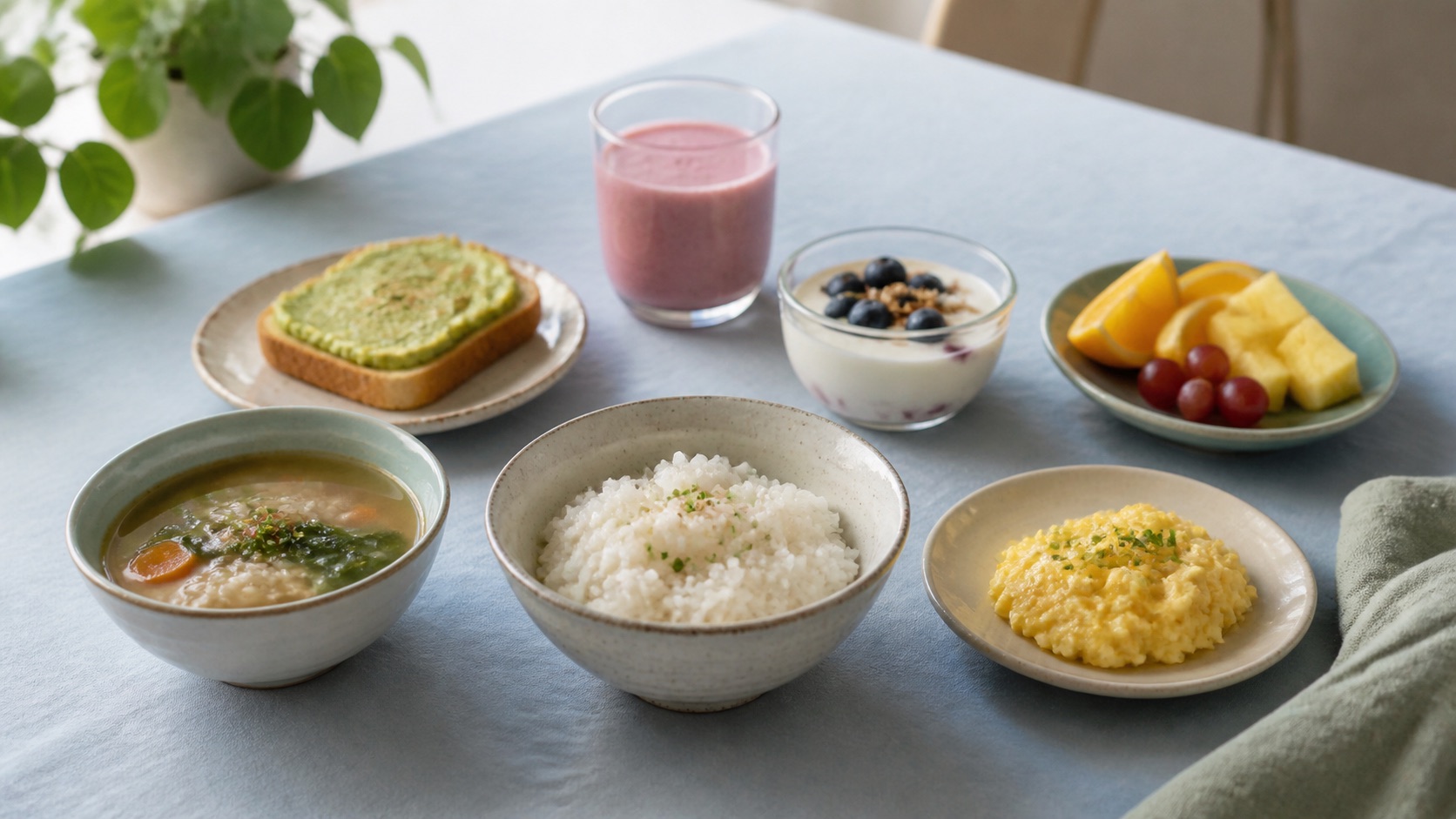
How to Eat When You Feel Full After Only a Few Bites
How can someone eat enough when they feel full after only a few bites on a GLP-1 medication?
Early fullness can make regular meals difficult. Use several small, nutrient-dense eating occasions, eat slowly, separate larger drinks if they worsen fullness, and contact the prescriber when intake keeps falling or warning symptoms appear.
By PepMarket Editorial Team
Why Large Protein Shakes Can Sometimes Make Eating More Difficult
Why can a large protein shake make eating more difficult on a GLP-1 medication?
A large protein shake can add substantial volume and may worsen early fullness, nausea, bloating, or reflux for some people. Smaller servings and a broader mix of foods can support protein without crowding out total nutrition.
By PepMarket Editorial Team
Cold Foods, Mild Foods, and Low-Odor Meals for Nausea
Can cold, mild, and low-odor foods make eating easier during GLP-1 nausea?
Cold, mild, and low-odor foods may be easier to tolerate when nausea makes cooking smells or rich meals unappealing. Use them as a short-term bridge to adequate food and fluids, not as a reason to ignore persistent symptoms.
By PepMarket Editorial Team
Small Meals, Frequent Snacks: A Better Strategy for Difficult Eating Days
Are small meals and frequent snacks a better strategy on difficult GLP-1 eating days?
On difficult eating days, several small meals or snacks may be easier to tolerate than a few large meals. A planned pattern can support total energy, protein, fluids, and food variety without forcing uncomfortable portions.
By PepMarket Editorial Team
Appetite Suppression vs. Inability to Eat: Knowing the Difference
How can someone tell the difference between expected appetite suppression and an unsafe inability to eat?
Less hunger can be an expected medication effect; being unable to eat or drink enough is different. Repeated vomiting, worsening weakness or dizziness, minimal urination, severe abdominal pain, or inability to keep fluids down are reasons to contact a clinician or seek urgent care.
By PepMarket Editorial Team
When Reduced Appetite Has Gone Too Far
How can someone tell when reduced appetite from a GLP-1 medication has gone too far?
Reduced appetite becomes a safety concern when it repeatedly prevents enough food or fluid, causes weakness or dizziness, or occurs with persistent vomiting, severe pain, very low urination, confusion, fainting, or other worsening symptoms.
By PepMarket Editorial Team